
Russia’s state communications regulator, Roskomnadzor, has warned that WhatsApp could face a full nationwide ban after the Meta-owned messaging platform refused to provide Russian authorities with access to encryption keys. The standoff pits one of the world’s most widely used communication tools against one of the world’s most aggressive internet-control regimes, raising deeper questions about privacy, digital sovereignty, and the future of secure messaging in Russia.
Why Russia Is Threatening a Ban
Roskomnadzor argues that foreign encrypted messaging services enable criminal activity, terrorism planning, fraud operations, and the spread of prohibited content. Under Russian law, digital platforms must provide law enforcement with access to data when requested — including tools that allow investigators to read communications.
Since WhatsApp uses end-to-end encryption (E2EE), Russia’s demand is effectively a demand for WhatsApp to break or bypass its own encryption model, something the company says it simply cannot do.
Roskomnadzor has already restricted some WhatsApp features this year and has indicated that a complete block may be the next step if Meta continues to decline cooperation.
WhatsApp’s Position: “We Cannot Access User Messages”
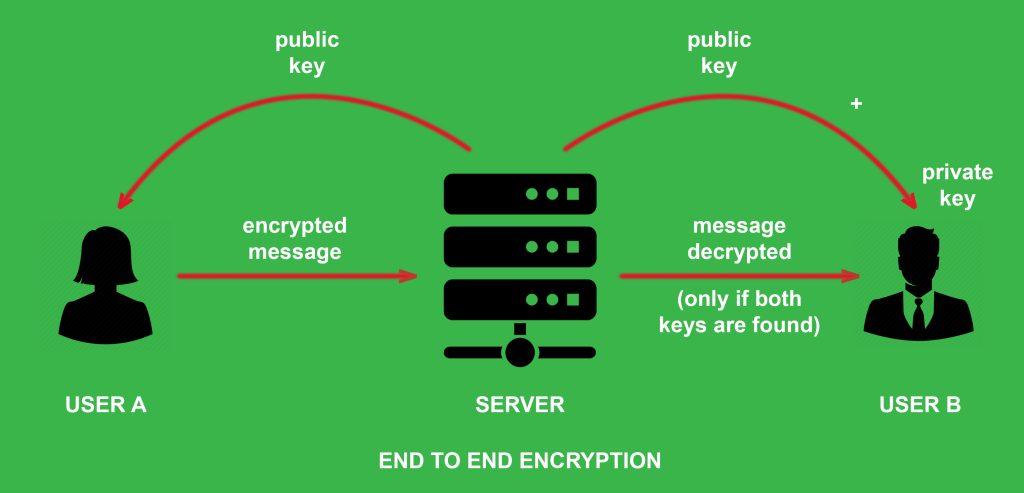
WhatsApp’s architecture is built on end-to-end encryption, meaning:
- Messages are encrypted on the sender’s device
- Only the recipient’s device holds the decryption key
- WhatsApp itself cannot read messages
- Meta has no master key to hand over
To comply with Russia’s request, WhatsApp would need to fundamentally redesign its system — potentially creating backdoors or weakening encryption. Experts warn this would:
- Undermine global user security
- Create vulnerabilities exploitable by hostile actors
- Set a dangerous precedent for other governments
WhatsApp maintains that weakening encryption in any country threatens privacy everywhere.
How the Conflict Escalated: A Clear Timeline
Early 2025:
Russia begins increasing pressure on Western digital platforms as part of its broader internet-sovereignty strategy.
Mid-2025:
Authorities partially restrict features on WhatsApp and Telegram, including certain voice-calling capabilities.
August 2025:
Roskomnadzor imposes new technical limits due to “non-compliance” with data-sharing laws.
November 2025:
Russia issues an explicit warning:
Either hand over encryption access or face a total block.
At the same time, officials urge citizens to switch to domestic alternatives such as VK Messenger, ICQ, and the government-aligned MAX application.
Why Compliance Is Technically Impossible
Government agencies often demand “encryption keys,” but in a true E2EE system:
- Keys are created and stored on user devices, not company servers
- No third party can intercept or decrypt messages
- Companies cannot retroactively decrypt communications
To comply with Russia’s demand, WhatsApp would have to:
- Build a special Russian version of the app with weakened encryption, or
- Introduce a surveillance backdoor into its global infrastructure
Both options are considered unacceptable by cybersecurity standards and would spark global backlash.
What a Ban Would Mean for Everyday Users
A nationwide block on WhatsApp would have widespread repercussions:
1. Millions would lose a primary communication tool
WhatsApp is deeply integrated into everyday life — from family chats to school groups to personal business offerings.
2. VPN usage would surge
Many Russians already rely on VPNs to access blocked services. A WhatsApp ban would likely accelerate that trend.
3. Forced migration to domestic apps
Users may be redirected toward government-friendly platforms, raising concerns about data privacy and state monitoring.
4. Reduced access to secure global communication
International families, expatriates, and remote workers would face significant disruptions.
What a Ban Means for Businesses
Thousands of small and medium-sized businesses in Russia use WhatsApp for:
- Customer support
- Order confirmations
- Marketing
- Internal communication
A ban would force rapid adoption of alternative tools, many of which may:
- Lack encryption
- Have smaller user bases
- Offer weaker reliability
- Require expensive migration efforts
International businesses operating in or with Russia will also need contingency plans.
Russia’s Push for Domestic Alternatives
Russia has been actively promoting local messaging platforms for years in an attempt to:
- Increase control over domestic internet traffic
- Reduce reliance on Western tech companies
- Strengthen data-localization efforts
- Ensure law-enforcement access on demand
The government particularly highlights apps like MAX, which reportedly integrates with state services and complies fully with Russian data-access laws.
However, digital-rights groups warn that these platforms lack independent oversight and may enable pervasive monitoring.
What Comes Next? Key Signs to Watch
1. Official Roskomnadzor statements
If a block is scheduled, it will likely be announced in advance.
2. ISP-level restrictions
Watch for throttling, DNS blocking, or deep-packet inspection measures.
3. Meta’s strategic moves
Meta may issue new legal challenges or public statements clarifying its stance.
4. Public and business reaction
Large-scale migration away from WhatsApp — or widespread VPN adoption — could shape Russia’s next steps.
How Users and Businesses Should Prepare
For Individuals:
- Export important chat histories
- Set up alternative communication apps
- Prepare VPN access where legal
- Inform friends and family about backup channels
For Businesses:
- Notify customers of backup communication methods
- Train employees on alternative messaging tools
- Audit data-privacy risks for domestic apps
- Update customer-support workflows
Final Thoughts: A Global Battle Over Encryption
The conflict between WhatsApp and Russia is not an isolated event. Around the world, governments are demanding more access to encrypted communications, while tech companies insist that weakening encryption endangers everyone.
Russia’s threat to ban WhatsApp reveals a broader truth:
The fight for digital privacy is increasingly a geopolitical issue — and users are caught in the middle.
If Russia moves forward with a full ban, millions will lose access to one of the world’s most secure communication tools. Until then, WhatsApp continues to hold its position:
“We cannot break encryption — even if we wanted to.”
